
An open outlook, a more considered edge
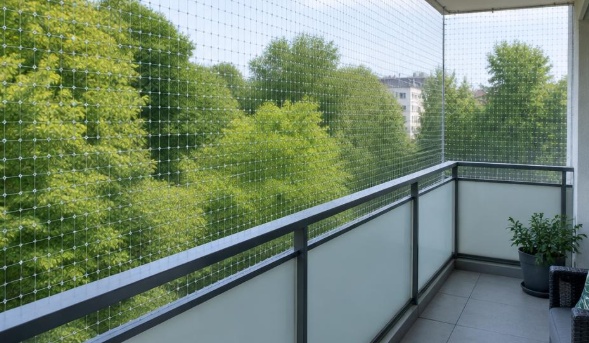
Fine stainless steel wires preserve the sense of openness that makes a balcony special. They allow air and light through while creating a barrier at the opening. The design should be assessed together with the existing parapet or railing; an invisible grill is not a substitute for a sound structural guardrail.
Plan around the way your family lives
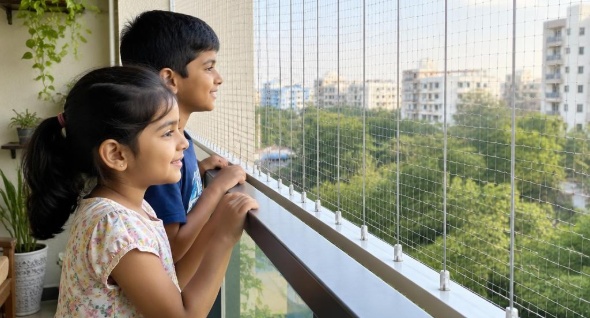
Tell us whether your balcony is used by young children, pets or older family members. Discuss appropriate wire spacing and keep climbable furniture and planters away from the edge. Pet suitability depends on size and behaviour, and no wire barrier should be treated as a guarantee against falls.
Installation that responds to your balcony
Balcony width, ceiling height, corner geometry and fixing surfaces all influence channel placement and wire layout. Apartment association permissions, access for installation and any required emergency access should be agreed before work begins. Send clear photos of the floor, ceiling and side walls for an initial conversation.
Pigeon safety nets or balcony grills?
Balcony grills and a pigeon safety net serve different purposes. Invisible grills add a fine-wire barrier; a bird net for a balcony is intended to discourage pigeon entry. Bird netting is not automatically a fall-protection system. If you need both, discuss their separate specifications, fixing points and cleaning access before approving the work.
Care for Chennai’s coastal conditions
Salt deposits and outdoor dust can accumulate on balcony wires and fixings. Gentle, regular fresh-water cleaning helps remove deposits. Check visually for slack wires, damaged coatings or movement in the channels, and contact an installer if anything changes. Avoid hanging laundry or heavy objects from the wires.
Every home is different. Final specifications and suitability should be confirmed following an assessment of your opening.